- Home
- About Us
- Products
- Services
- Updates
- Gallery
- Contact Us
HDPE Blow Mould

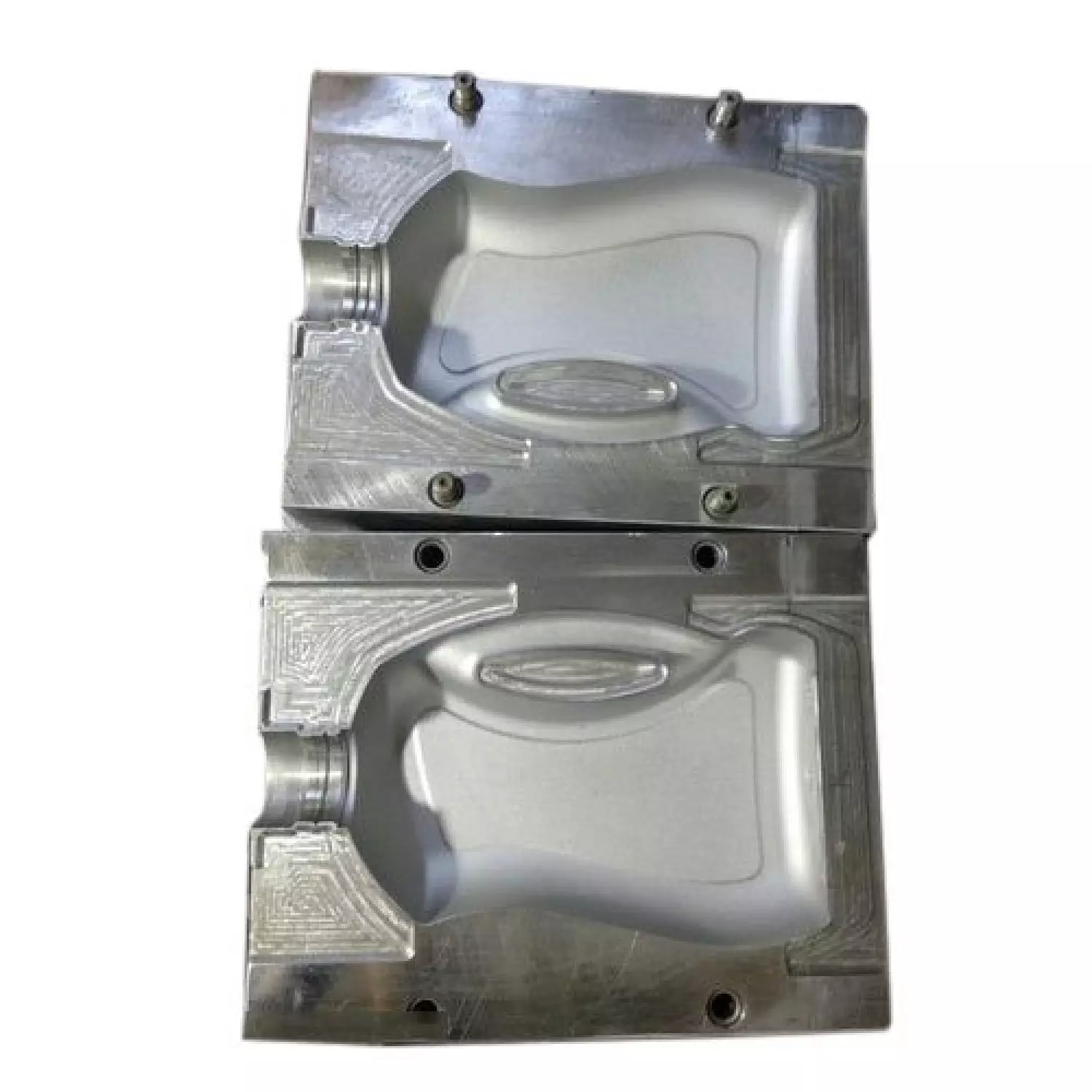
HDPE Blow Mould Details
HDPE Blow Mould vs Normal Blow Moul
Both high-density polyethylene (HDPE) blow molding and conventional blow molding are used in the blow molding process to produce hollow plastic parts such as bottles, containers, and tanks. The main differences between the two methods lie in material compatibility, mold design, heat resistance, and surface finishing requirements.
The high-density polyethylene (HDPE) blow molding process is specifically designed to withstand high processing temperatures and the material's shrinkage properties. Both HDPE blow molding and conventional blow molding methods are used to produce hollow plastic parts such as bottles, containers, and tanks.
The main difference between the two methods lies in material compatibility, mold design, heat resistance, and surface finishing requirements.
Traditional blow molds are generally designed for PET, PP or PVC materials with simple geometry and low temperature requirements.
| Parameter | Specification / Description |
|---|---|
| Material Used | Aluminum, Mild Steel, Tool Steel, Beryllium Copper |
| Process Type | Extrusion Blow Moulding / Injection Blow Moulding |
| Cavity Design | Single / Multi-Cavity (as per requirement) |
| Surface Finish | Polished / Textured / Mirror Finish |
| Mould Life | Up to 1,000,000 shots (depending on material) |
| Customization | As per customer drawing or sample |
| Application Industry | Packaging, Automotive, FMCG, Medical |
| Delivery Time | Based on mould size and order quantity |
Related Products

Pet Bottle Blow Mould
MaterialMild SteelFinishingPolishedHardness58-60 HRCCorrosion ResistanceYesPack Ty... Continue